WELCOME IPS CHINA LIMITED

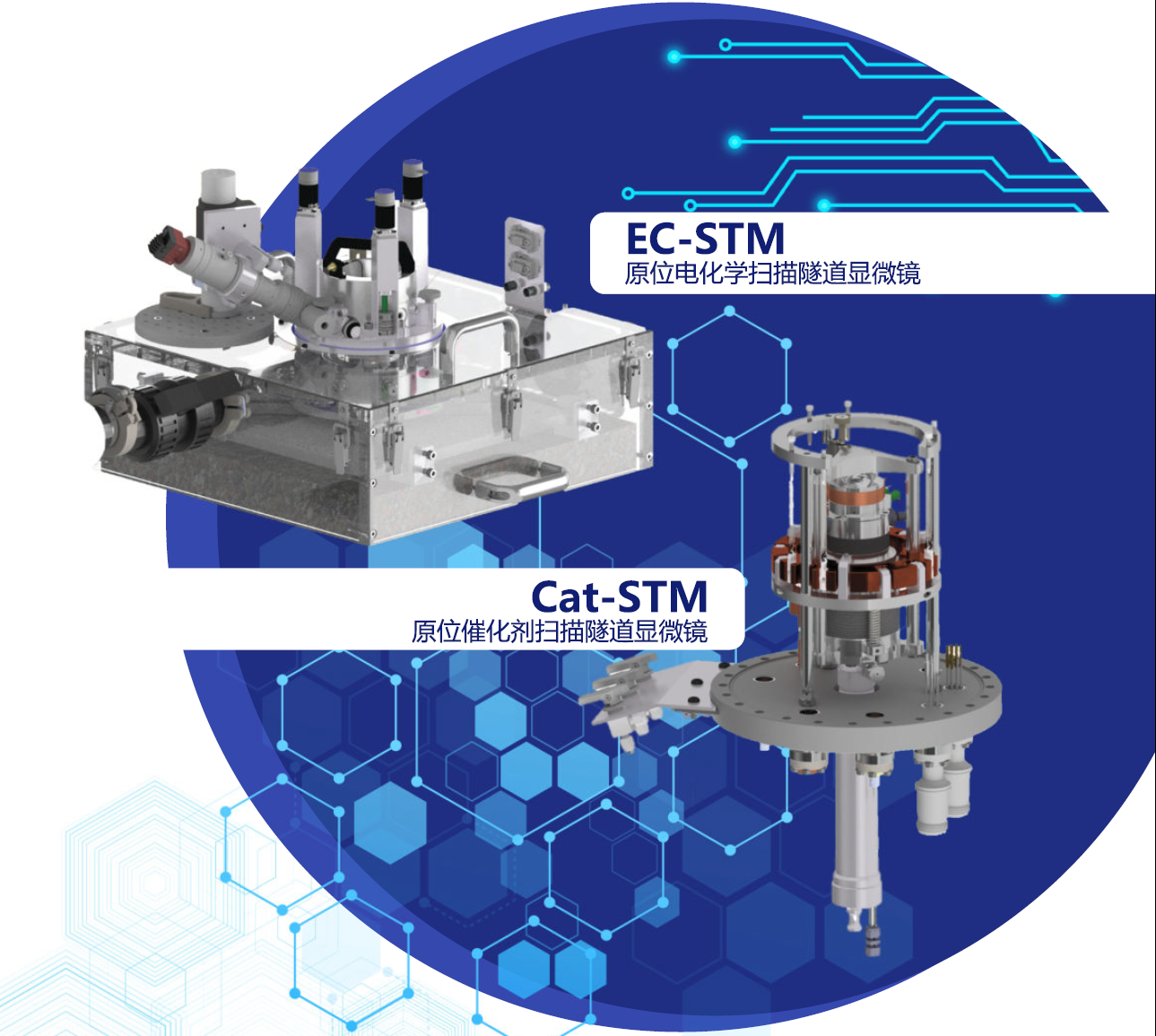
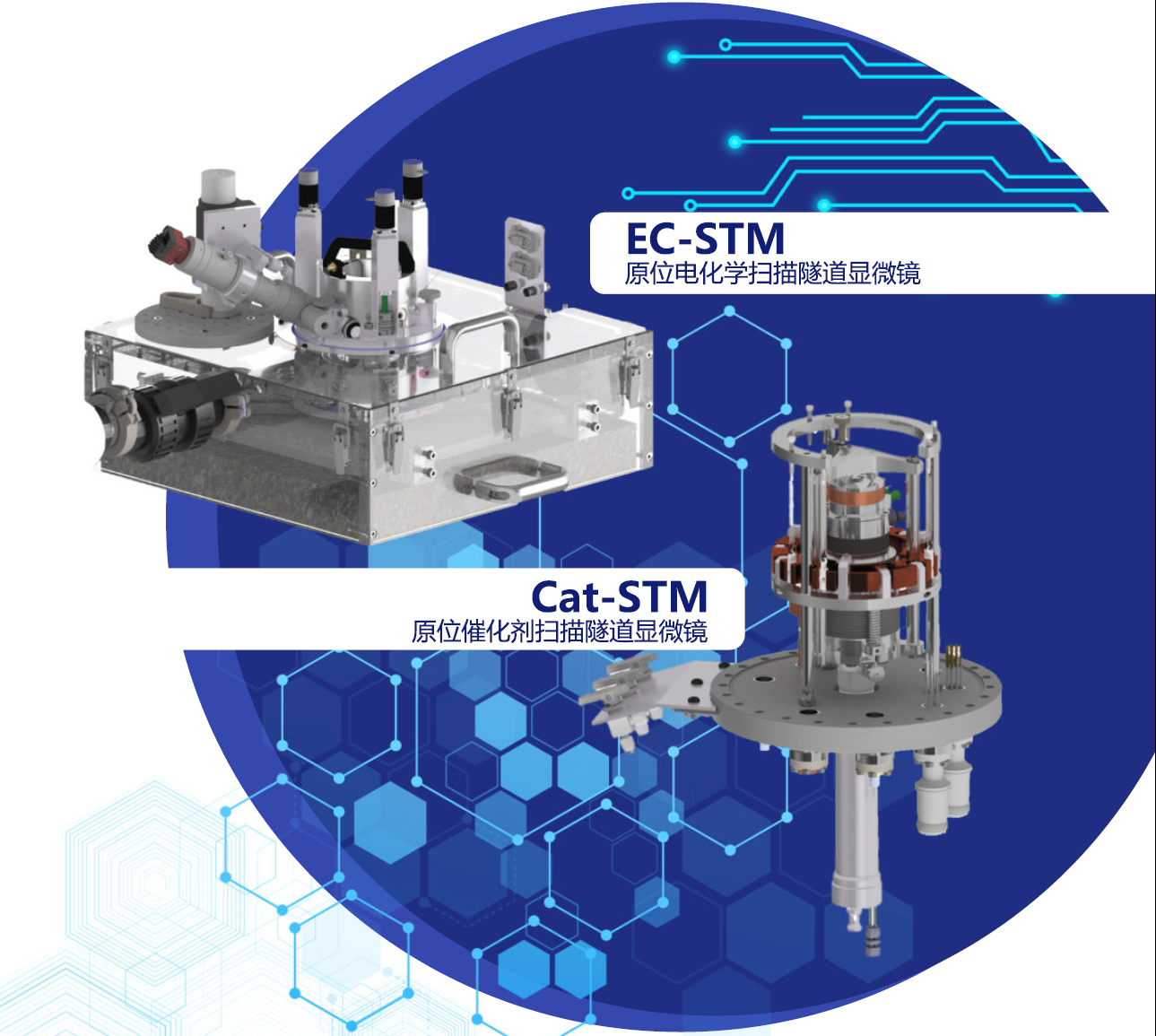
EC-STM uses a coated tip to prevent faradaic contributions in liquid. This coating acts as an insulator, preventing unwanted electrochemical reactions from interfering with the tunneling current, which is the primary signal of interest in STM. This allows for visualization of surface features with atomic resolution. The advantage of surface characterization in liquid with STM is its insensitivity to the liquid. While AFMs are often affected by the dampening effect of the liquid, STMs are more robust and achieve repeatable atomic resolution in liquid.
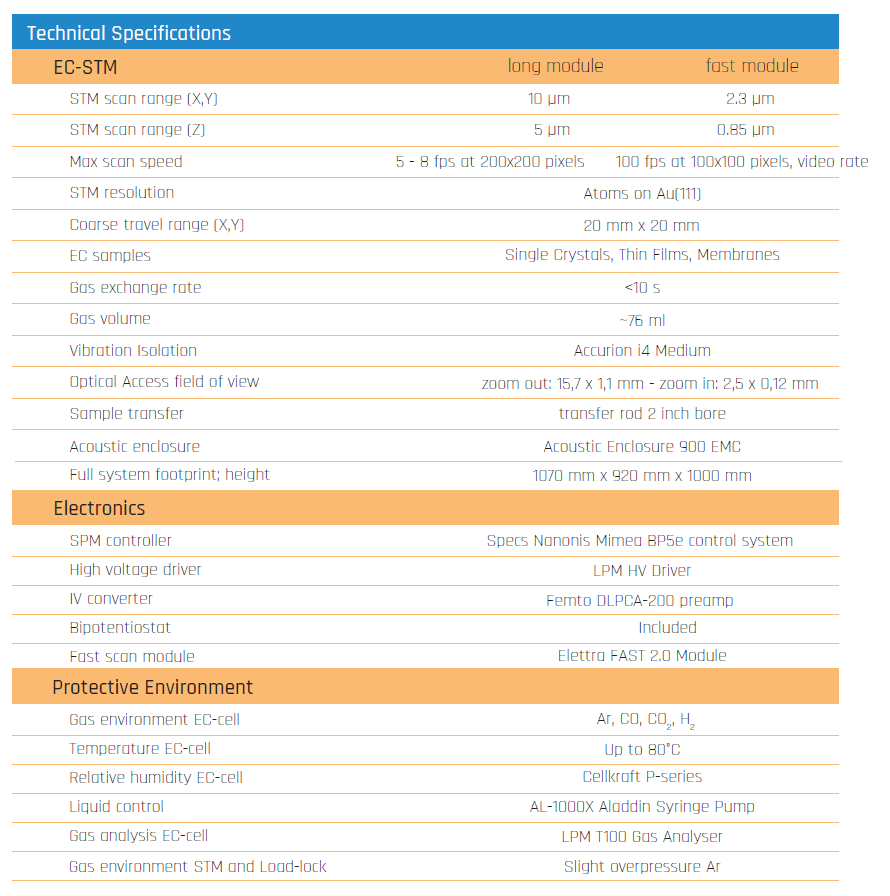
The EC-STM utilizes a piezoelectric tube scanner, which allows for significant lateral ranges to study atomic features over micrometer distances. Furthermore, the frame rate can be significantly increased to as much as 25 frames per second (video rate) when the height feedback is frozen and the samples are flat. Whether you are interested in membrane samples or single crystals, the EC-STM enables correlative studies of surface properties and electrochemical reactivity in a single instrument.
 open the phone and scan
Copyright © 2012-2018 IPS CHINA LIMITED. all rights reserved 京ICP备19002103号-1
 简体中文
简体中文 English
 德语
德语